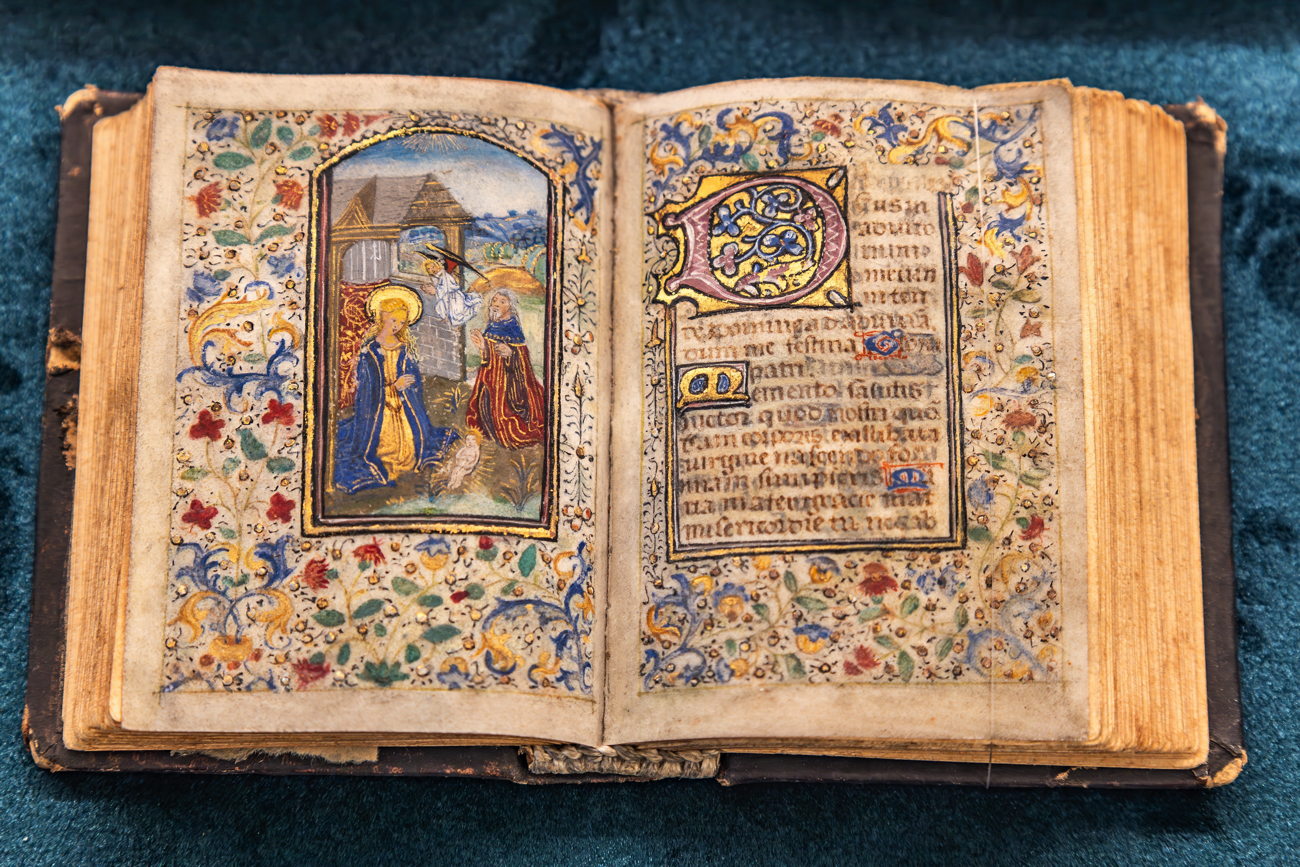
When the 1950 US Census opened in April 2022, its name index had been built by AI reading the handwriting of 140,000 census takers. The National Archives warned it wouldn't be perfect and asked the public to help fix it. What worked, what didn't, and what it teaches about handwriting AI.
At 12:01 a.m. on 1 April 2022, the US National Archives put 6.4 million pages of the 1950 census online. Every page had been filled in by hand by one of 140,000 census takers (National Archives fact sheet).
This time, there was something new. For the first time, the release came with a searchable name index on day one. That index had been built by a machine reading the handwriting, and the National Archives told everyone, up front, that it would not be fully accurate. It then asked the public to help fix it.
That combination of machine reading followed by human correction is now how most large handwriting projects work. The 1950 census is one of the clearest public examples of it, mistakes included.
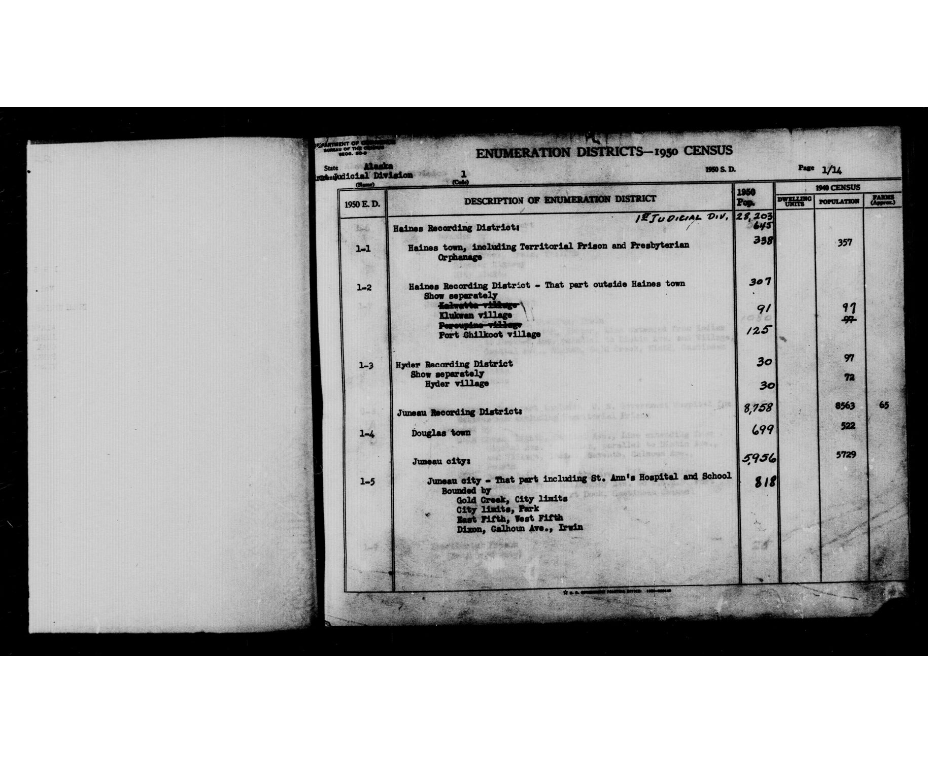
A handwritten page from the 1950 United States census population schedule.
Why the 1950 release was different
US census records stay closed for 72 years. When they open, people want to search them by name straight away, but an index of 151 million people takes a long time to build by hand. In earlier releases, families often had to wait for volunteers or genealogy companies to finish indexing, or browse page by page.
For 1950, the National Archives tried a different route. It used Amazon Web Services' AI and optical character recognition tool, Textract, to pull the handwritten names off the digitised pages and create a first-draft index. It said clearly that because the index was built with OCR technology, it would not be 100% accurate, and built a transcription tool into the website so anyone could add or correct names (National Archives). The release fact sheet listed the transcription tool as a first (National Archives fact sheet).
The draft was also partial by design. It mainly covered first names, plus surnames for heads of household and for anyone in the household with a different surname (NARA genealogy specialist Claire Kluskens, via twelvekey). That detail turns out to matter a lot.
Why the machine got names wrong
After launch, many people searched for relatives they knew were alive in 1950 and found nothing. The National Archives' own staff explained why on its History Hub forum. The draft index could be wrong because of (History Hub):
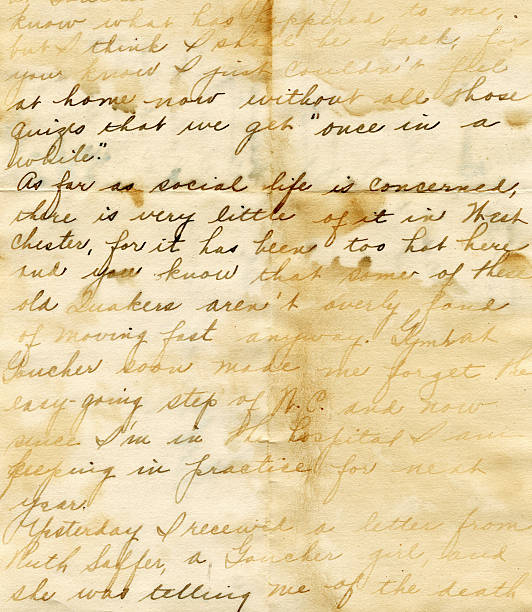
Illegible handwriting. Some enumerators simply wrote badly.
Poor image orientation. Pages filmed slightly sideways confuse the reader.
Variable image quality. Pages that were too light, too dark or low in contrast.
Overlapping flourishes. Loops from letters on the line above or below run into the name.
Different handwriting styles. 140,000 people wrote in 140,000 ways.
The form's own structure. Surnames were often written only on the head of household's line, with family members' lines left to imply it.
That last point is the one people miss. A machine reading a single line has no way to know that "Mary" on line 12 is a Smith because "Smith" appears on line 10. A human does that without thinking.
Some misses were complete. One researcher at American Ancestors went looking for Dolly Parton's family in rural Tennessee and found that the OCR index had missed her name entirely, so she entered the correction herself (American Ancestors).
Putting people back in the loop
The National Archives designed for this. Every record showed its "Machine Learning (AI) Extracted Names", errors and all, with a button inviting visitors to help transcribe (Who Do You Think You Are? magazine). Corrections were generally added to the searchable index within 24 hours (twelvekey).
A second, separate effort ran in parallel. Ancestry built its own automated index of all the fields using its handwriting recognition technology, and FamilySearch recruited volunteers to check it in its 1950 US Census Community Project. In "Name Review", a volunteer looks at one household at a time, compares each field on the image with the index, and corrects anything the computer got wrong (FamilySearch). On 11 May 2022, the first state, Nevada, was published as a reviewed index (FamilySearch).
So the 1950 census ended up with two indexes, both started by machines and both finished by people.
What worked, and what didn't
What worked:
People could search by name on day one instead of waiting months.
The National Archives was honest about the limits, which set expectations.
Corrections flowed back into the index quickly, so the data got better every week.
Releasing the whole dataset openly let other organisations build their own indexes.
What didn't:
Many names were missed or misread, especially family members without a written surname.
Early searches left people frustrated and convinced their relatives "weren't there".
The National Archives' site couldn't filter by age at launch, which made common names hard to narrow down (Who Do You Think You Are? magazine).
None of these are reasons to avoid AI. They are reasons to treat an AI transcript as a draft.
Six lessons for anyone using handwriting AI
Treat the first pass as a draft. Even a national-scale system produced a "first draft" index. Plan time for review.
Understand the document's structure. Forms like census schedules carry meaning across rows. Check fields that depend on other lines, such as surnames, dates and relationships.
Fix the image before you read it. Straighten skewed pages and correct contrast. Several of the National Archives' six reasons were image problems, not handwriting problems.
Make correction easy. The fastest improvement came from people fixing names in seconds. A tool that makes editing awkward wastes the AI's head start.
Search more than one way. When a name search fails, narrow by place. The National Archives recommends using enumeration district maps and browsing by street (History Hub).
Be open about accuracy. Telling users the index was imperfect turned frustration into participation.
Reading census pages and family records with Scripily
Most of our users aren't indexing 151 million people. They have a few census pages, a family register, a ledger or a stack of letters, and they want the text without squinting at every line. The 1950 census lessons apply directly.
Scripily's handwriting recognition gives you a first-pass transcript of each page, and the editor lets you correct names on the spot. For forms and registers laid out in rows and columns, like census schedules, Field & Table Recognition (see features) keeps entries in their rows so a surname, age or birthplace stays attached to the right person. If a page is pale, uneven or low in contrast, run document restoration first, since image quality was one of the main causes of errors in 1950.
We'd give you the same advice the National Archives gave: check the names that matter most, and don't assume a missing result means a missing person.
You can try Scripily free on up to 10 pages.