Discover how AI-powered restoration can recover faded handwriting in old letters, making treasured family stories and historical records easier to read while preserving the original document.
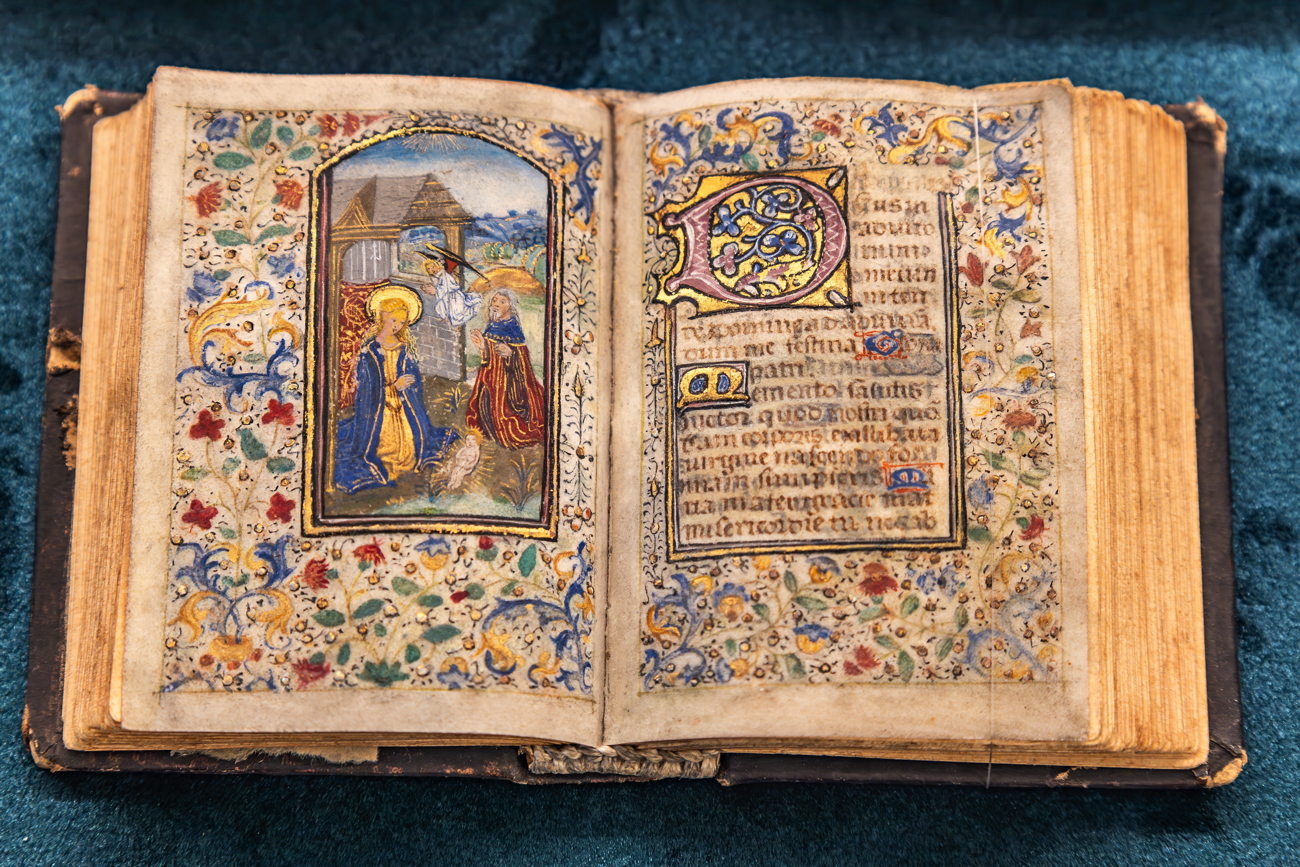
There’s something magical about old letters, isn’t there? They’re not just paper and ink. They’re whispers from the past handwritten stories of love, loss, business deals, family secrets, and everyday moments that once meant everything to someone. A letter written a hundred years ago might hold the only clue to a great grandmother’s maiden name, or the exact date a family arrived in a new country, or a soldier’s last words home.
.webp?alt=media&token=649b3b93-2af2-4fa7-b689-c7b375c77b49)
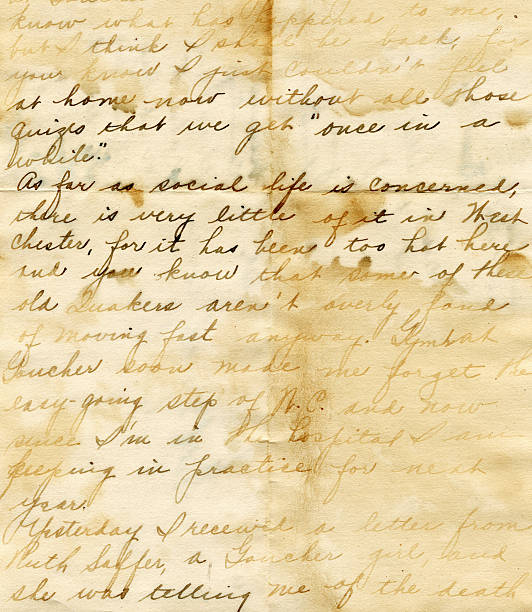
But here’s the heartbreak: so many of these beautiful, irreplaceable documents are fading away. Literally. Ink that was once dark and bold turns pale and ghostly. Paper grows brittle, yellowed, or stained. Folds turn into cracks. Moisture, light, and time all do their quiet damage. And suddenly, a sentence that could change everything a name, a place, a promise becomes almost invisible.
If you’ve ever tried to read a faded letter, you know the feeling. You squint. You tilt the paper toward the light. You try different angles, different hopes. And still, some words just won’t give up their secret.
For genealogists, historians, archivists, and anyone who loves digging into the past, this is a real wall. A single faded word can be the difference between finding an ancestor or hitting a dead end. And traditional methods? They help sometimes adjusting contrast, playing with filters, hours of manual editing but they don’t always work. And they take forever.
That’s where a quiet little revolution comes in. One powered not by magnifying glasses or patience alone, but by artificial intelligence. Yes, AI. The same kind of technology that recognizes your face in a photo or suggests what to type next is now helping us rescue lost words from history’s shadows. Tools like Scripily are changing the game not by rewriting the past, but by helping us see it again, clearly and faithfully.
So what kind of damage are we talking about? Old letters suffer in many ways. Ink fades naturally over time from exposure to light, humidity, and the elements. Paper fibers break down, leaving behind uneven, discolored backgrounds that make text hard to distinguish. Sometimes ink from the other side of the page bleeds through, creating a ghostly double image. Stains, wrinkles, folds, scanning shadows, low resolution, and even handwritten notes crammed into margins can all hide the original words.
All of this confuses both human eyes and regular computer programs. Standard optical character recognition software the kind that turns images of text into actual, searchable words gets lost easily. When contrast is low or damage obscures a character, OCR either gives up or makes a ton of mistakes. And when it does produce results, they often need hours of manual correction.
But AI sees differently. Modern artificial intelligence doesn’t just look at a document. It studies it. It learns what text should look like, where the noise is, and how to separate the words from the wear. It can analyze document structure, identify text patterns, and distinguish writing from messy backgrounds in ways that traditional editing tools never could.
Scripily was built specifically for this challenge. Rather than being a simple image editor, it uses advanced AI models trained to understand documents and improve their readability. That means you can take a damaged scan, a faded letter, a historical record, or any archival material and process it with far greater speed and success than older restoration methods.
One of the most valuable things about Scripily is how it handles authenticity. Historical researchers need readable documents, yes, but they also need confidence that the restoration process hasn’t changed what was originally written. Scripily focuses on improving visibility, not altering content. It helps you extract information while keeping the integrity of the source material completely intact.
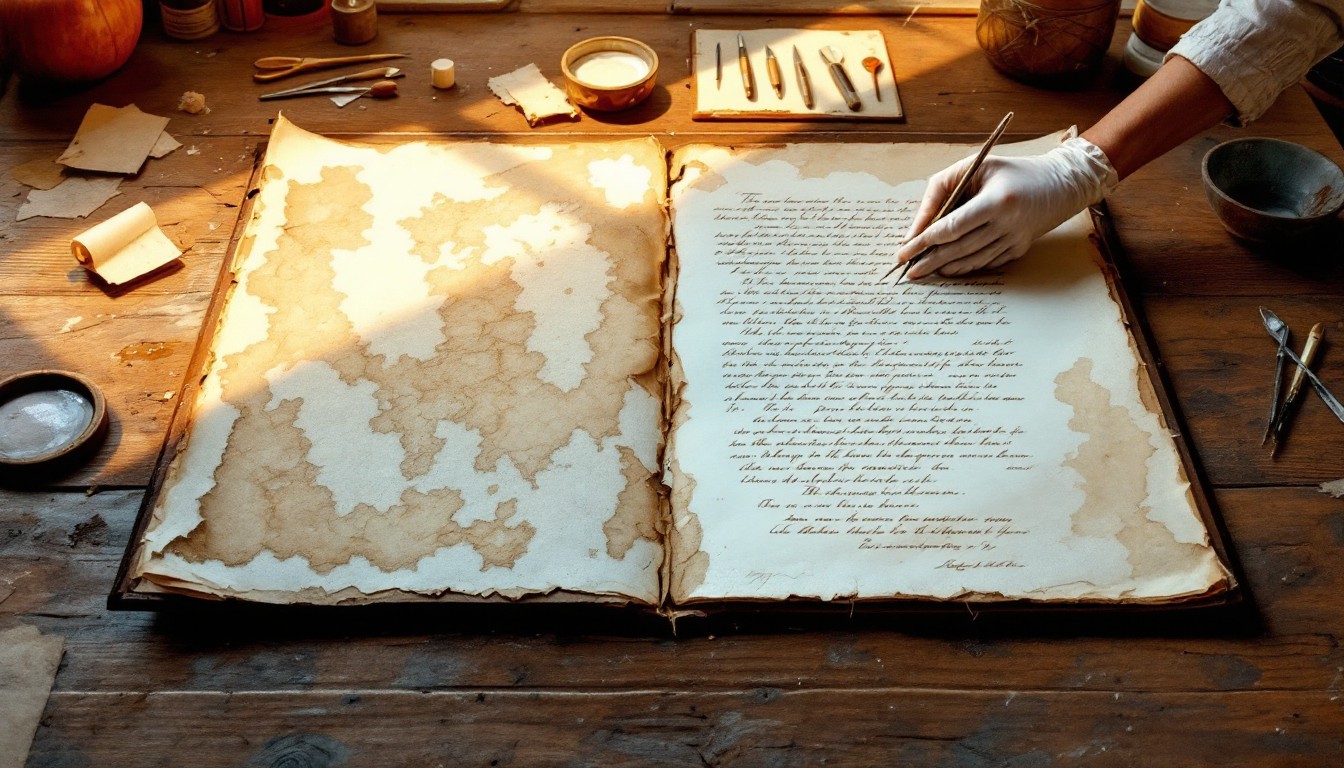
Another wonderful advantage is the removal of visual distractions. Stains, discoloration, paper texture, scanning shadows, and background artifacts all make text harder to read. By gently reducing these distractions, Scripily lets the written content stand out more clearly. That helps both human reading and OCR processing become significantly more effective.
And OCR performance really matters, especially when working with large collections. Many archives have thousands of pages that need to be indexed and searched. Poor quality scans produce poor OCR results, which creates more work for researchers. By improving document quality before OCR even starts, Scripily helps generate cleaner text extraction and makes digitization workflows much smoother.
For genealogy researchers, the benefits are deeply personal. Family history investigations often depend on documents that are over a century old. Birth records, immigration papers, letters, wills, land deeds, and personal correspondence frequently hold faded writing that contains critical information. Enhancing those documents can reveal names, dates, locations, occupations, and family relationships that might otherwise remain hidden forever.
Historical societies and archives face similar challenges. So many institutions are working hard to digitize their collections so they can be preserved and shared with future generations. But digitization alone doesn’t guarantee readability. If the original document is damaged, the digital copy may still be difficult to interpret. AI powered restoration helps maximize the value of all that digitization work by making archived materials genuinely accessible and searchable.
Academic researchers also benefit tremendously. Historical studies require careful examination of primary source materials. Improved readability means scholars spend less time struggling with document quality and more time actually analyzing content. That accelerates research projects and helps uncover insights that might otherwise have been missed.
The importance of document restoration goes far beyond academia and history. Businesses, legal professionals, libraries, museums, and government agencies all encounter aging records that need preservation and interpretation. Contracts, reports, correspondence, and administrative files may hold valuable information that becomes harder to access as document quality deteriorates over time.
What makes Scripily stand out is how accessible it is. Traditional restoration workflows often demand specialized software, advanced image editing knowledge, and a big investment of time and effort. Scripily simplifies everything. You just upload your documents and let AI powered enhancement do its work. You don’t need to be an expert in image processing. That means advanced restoration technology is now available to a much broader audience, not just tech specialists.
The platform also supports multilingual document analysis, which is increasingly important for global research projects. Historical collections often contain documents written in many different languages, reflecting migration patterns, international correspondence, and multicultural communities. Having a solution that works across languages helps researchers manage diverse archives much more effectively.
As artificial intelligence continues to evolve, the possibilities for document restoration are expanding rapidly. Future developments will bring even greater accuracy in recovering faded text, identifying handwriting, and extracting information from severely damaged records. These advances will help preserve historical knowledge that might otherwise be lost forever.
Every faded letter tells a story. Every partially visible word may hold a clue that connects people to their past, reveals historical events, or preserves cultural heritage. The challenge has always been making those words visible again. With AI powered restoration tools like Scripily, researchers no longer have to accept that faded text is permanently lost. Instead, they can unlock information hidden beneath decades of wear and deterioration, transforming difficult to read documents into valuable, accessible sources of knowledge.
In a world where preserving history becomes more important every year, technologies that help recover and interpret historical records are not just conveniences. They are essential tools for safeguarding our collective memory. By combining artificial intelligence, document enhancement, OCR optimization, and multilingual support, Scripily offers a modern solution to one of the oldest challenges in archival research. It brings forgotten words back into view and ensures that the stories they contain can continue to be read, studied, and remembered for generations to come.