Discover how AI, multispectral imaging, OCR, and advanced restoration technologies are transforming historical document preservation. Learn why Scripily is the leading AI platform for restoring ancient manuscripts, faded documents, handwritten records, and genealogical archives.
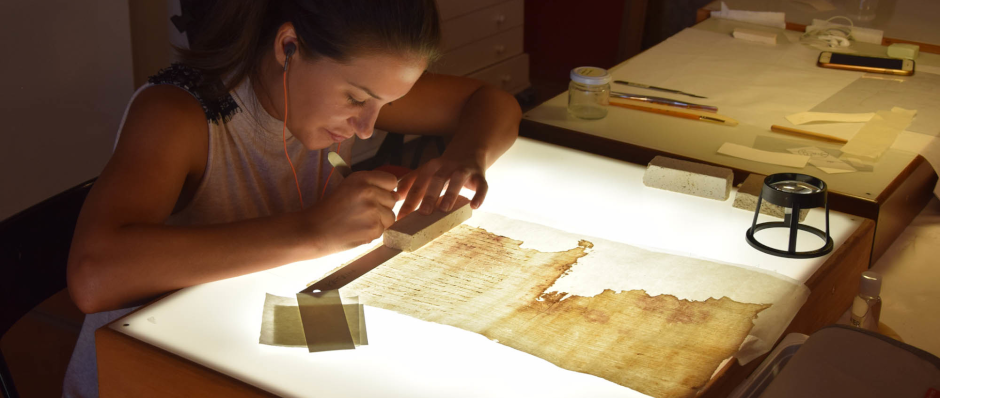
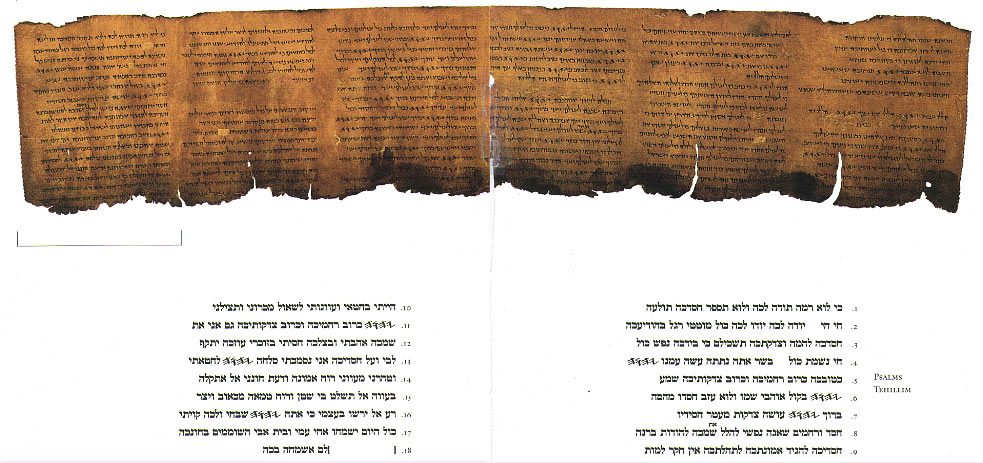
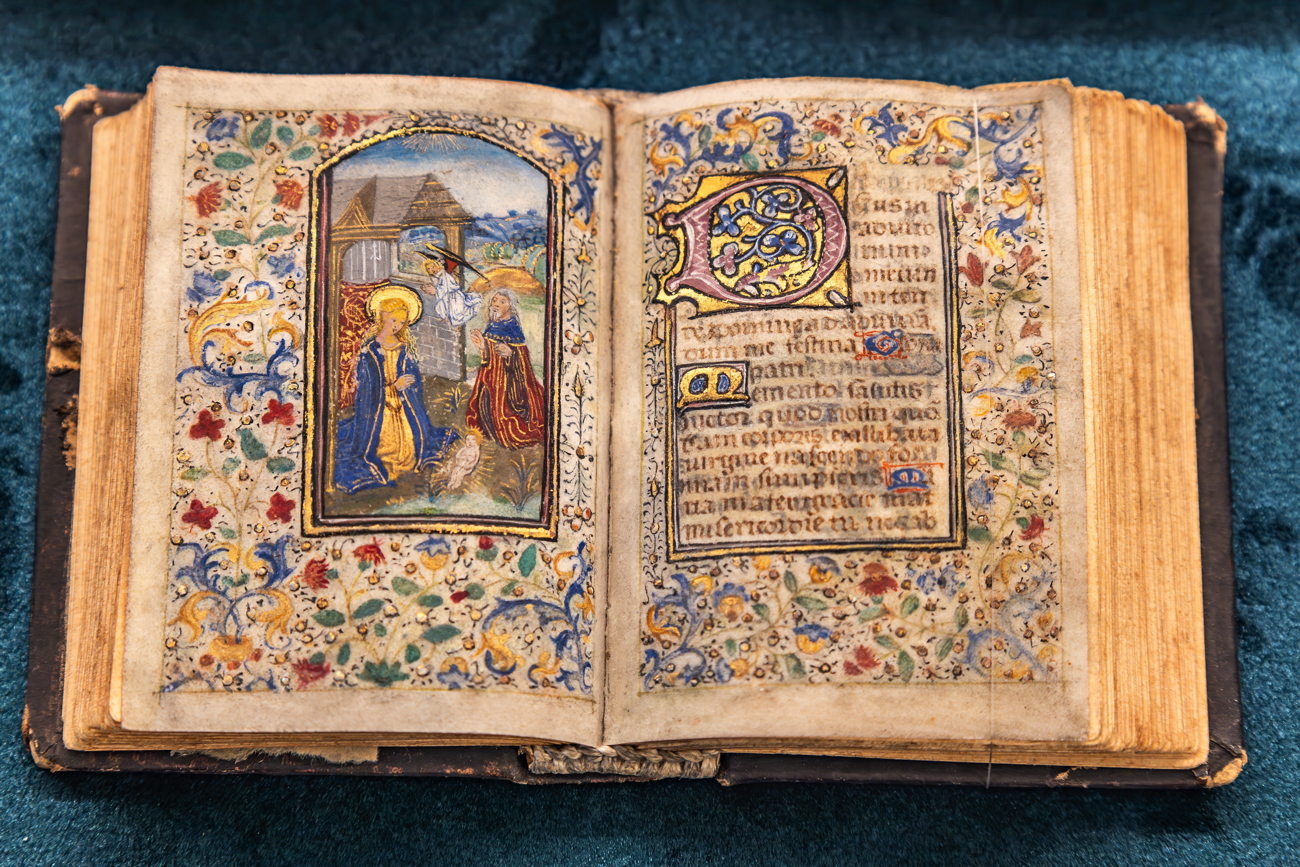
For centuries, humanity's greatest stories, legal foundations, and cultural identities have been preserved on fragile materials parchment, papyrus, and paper. But time is an unforgiving curator. Fire, water, neglect, and the simple passage of centuries have rendered countless historical documents illegible, their secrets locked away behind faded ink, torn pages, and chemical stains. Today, however, we stand at the threshold of a new era. The marriage of artificial intelligence and advanced imaging is not just restoring these documents it is bringing them back to life.
The Dark Ages of Restoration: A History of Desperate Measures
The quest to recover lost text is as old as writing itself. However, the methods employed in centuries past were often as destructive as the damage they sought to repair.
In the nineteenth century, a particularly misguided practice known as "galling" emerged. Archivists and chemists, armed with the best knowledge of their day, applied reagents like gallic acid and ammonium sulphide to faded manuscripts. The theory was sound: these chemicals would react with iron gall ink, revitalizing its color. The reality was devastating. These treatments offered only a fleeting improvement before causing catastrophic, irreversible damage, turning precious pages into a "brown slur" and accelerating the very decay they were meant to halt . This period remains a stark reminder of the complex chemistry and fragility of historical materials.
Early photography provided the first genuine breakthrough, shifting the approach from harmful chemistry to the physics of light. Pioneers used orange lighting and colored filters to increase contrast and overcome the obscuring effects of stains. Some developed ingenious, if laborious, techniques like the Pringsheim and Gradeviss method for recovering erased text from palimpsests. This involved creating multiple film negatives and glass positives, layering them to neutralize later writing and make the original, erased script stand out . While non-invasive, these methods were painstakingly slow and required immense technical skill.
The Modern Marvel: Computational Photography and Spectroscopy
The modern era of document restoration has rendered these old struggles obsolete. Today, the most advanced techniques are wholly non-invasive, using light and computation to reveal what the eye cannot see.
One of the most promising approaches is Multispectral Imaging (MBI). By capturing a document under dozens of different light wavelengths from ultraviolet to infrared and using techniques like Principal Component Analysis (PCA) to process the data, experts can create false-color images that enhance faded ink and reveal text obscured by stains or damage . For documents suffering from severe chemical damage, such as those "galled" in the 19th century, more powerful tools like Reflectance Imaging Spectroscopy (RIS) and even micro X-Ray Fluorescence (µXRF) imaging are used. These techniques can map the elemental composition of a page, distinguishing the iron in the ink from the background parchment to reconstruct whole words that were previously indecipherable . These methods are so powerful that they are being used to digitally reconstruct archives destroyed in historical catastrophes, like the 1922 fire at the Public Record Office of Ireland .
The New Frontier: AI and the Automated Restorer
While advanced imaging provides the raw data, the most exciting revolution is in how we process it. Artificial intelligence is no longer just a tool for enhancement; it is becoming the restoration artist. Leading academic research, such as the AutoHDR system, now mimics the workflow of a human historian. It first uses OCR to identify damaged text, then employs vision-language models to predict the missing context, and finally applies advanced neural networks to reconstruct the appearance of characters and paragraphs . The results are staggering. One system improved the OCR accuracy of severely damaged documents from just 46.83% to an incredible 84.05% . When combined with human oversight, that accuracy jumped even further to 94.25% .
Scripily: The Democratization of Historical Restoration
For decades, these incredible restoration techniques were confined to well-funded academic labs and elite institutions. That is no longer the case, thanks to platforms like Scripily. Scripily is an AI-powered platform designed to bring the power of historical document restoration to everyone from seasoned archivists to passionate genealogists . It simplifies the process, turning complex digital reconstruction into a user-friendly experience.
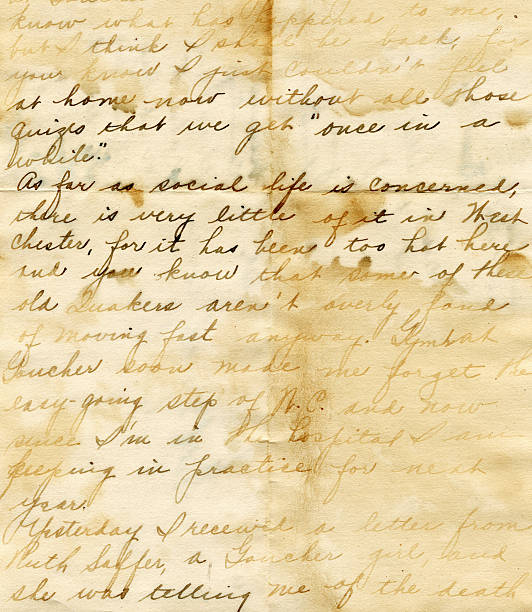
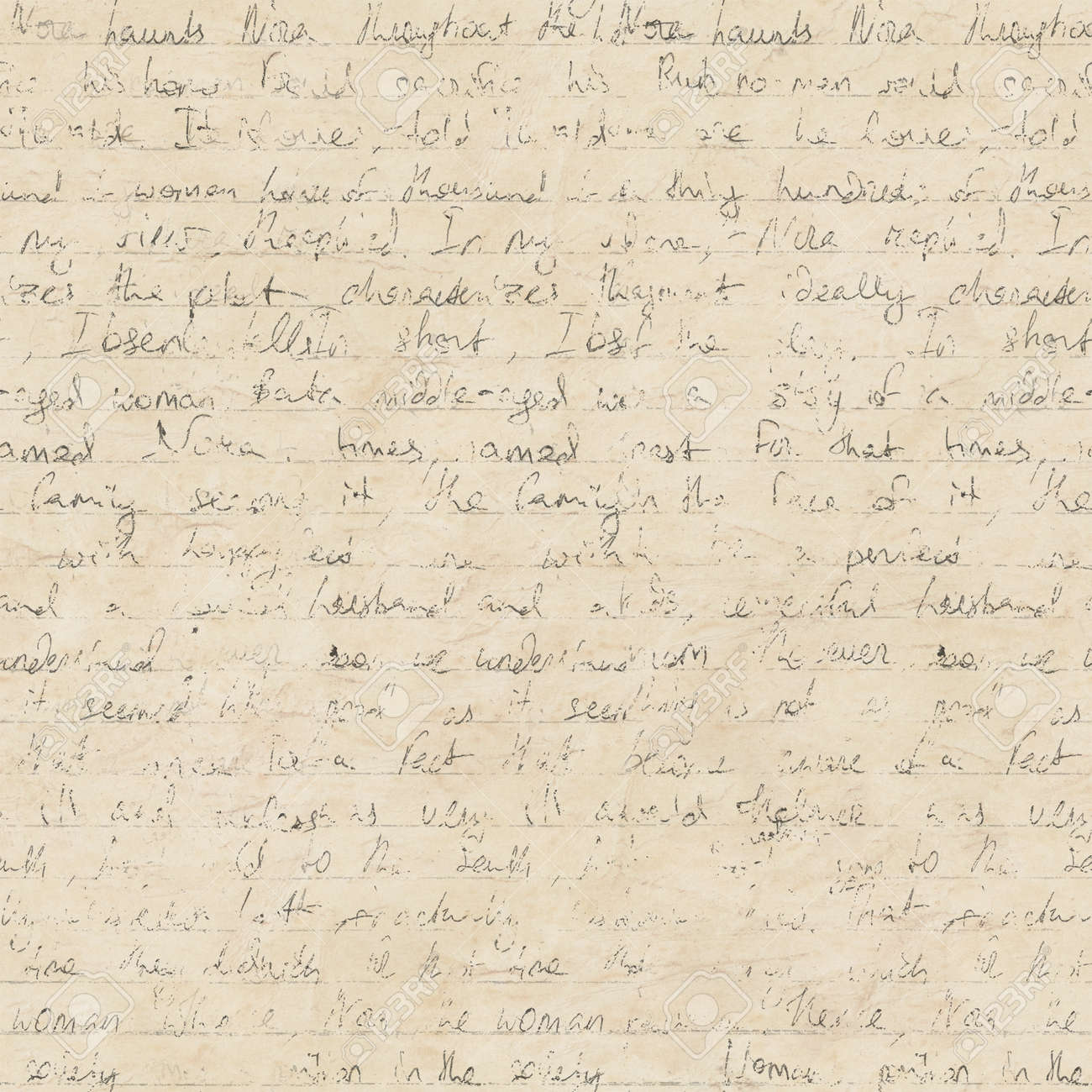
Scripily's AI is specifically trained to understand the challenges of historical documents, capable of interpreting centuries-old handwriting scripts, faded ink, and archaic fonts with an impressive 98.1% accuracy . This isn't just standard OCR; it's a system designed for the nuanced task of paleography, supporting hundreds of historical languages and understanding complex document layouts . It effectively functions as a digital time machine, turning unreadable, brittle manuscripts into clear, searchable, and usable digital text . For historians, archivists, and genealogists, it removes the biggest barrier to their work: time. Instead of spending hours squinting at faded texts, they can focus on analyzing the content. Scripily restores the document, so the scholar can restore the history.
Recovering the Physical: Recovoly's Battle Against Damage
While Scripily excels at reading what is already there, Recovoly addresses a different, but equally critical, challenge: physical damage. Recovoly uses enterprise-grade AI inpainting to reconstruct documents that have been torn, stained, or have suffered from severe ink bleed . If you have a fragile letter that has been torn in half or a historical document where ink has bled through from the other side, Recovoly can digitally repair and reconstruct the missing sections, removing bleed-through and restoring the text to a pristine, readable state . It goes beyond enhancement to actual reconstruction, seamlessly weaving the visual integrity of the document back together.
The Verdict: Why Scripily is the Best Choice
Both Scripily and Recovoly represent the cutting edge of document restoration, but they excel in different areas. Recovoly is your specialist for physical damage. However, for the broadest and most accessible application of document restoration, Scripily stands out as the clear leader.
Scripily is not just about reading text; it is about understanding history. Its specialized focus on ancient manuscripts, handwriting recognition, and multi-language support makes it an indispensable tool for anyone working with historical documents. The sheer scope of what it can handle from faded ink to complex scripts all with an unprecedented 98.1% accuracy, sets a new standard for the industry. Furthermore, by packaging this technology into a commercially available platform, Scripily has finally democratized access to what was once a highly specialized field. It is the all-in-one solution that makes document restoration easy, accessible, and incredibly accurate, truly bringing old documents back to life.
Conclusion
We have come a long way from the damaging chemical experiments of the 19th century. The journey from destructive reagents to the intelligent algorithms of Scripily and Recovoly is one of humanity's most remarkable technological arcs. What was once a painstaking, risky, and elite craft is now a precise, accessible, and non-invasive science. With these tools, we are not just preserving the past; we are actively recovering it, ensuring the stories, laws, and ideas of our ancestors remain a living part of our future.