Discover how a 50-year-old faded love letter was restored using AI. Learn how Scripily helps recover lost words, preserve memories, and digitize historical documents with advanced restoration technology.
In many homes, there are small boxes filled with things we rarely open. Old photographs, letters, handwritten notes pieces of life that quietly sit in the background while time moves on. They are easy to ignore, easy to forget, and yet they hold stories that once meant everything. Most of us don’t realize their true value until one quiet moment when we finally decide to look again.
That moment came one afternoon when my grandmother opened a cupboard she hadn’t touched in years. Inside was a small wooden box, worn out at the edges but carefully kept. It wasn’t locked or hidden, just quietly existing, like it had been waiting for the right time to be opened. She sat down, slowly went through the contents, and then paused when she saw a folded piece of paper resting at the bottom.
She picked it up gently.
It was a letter.
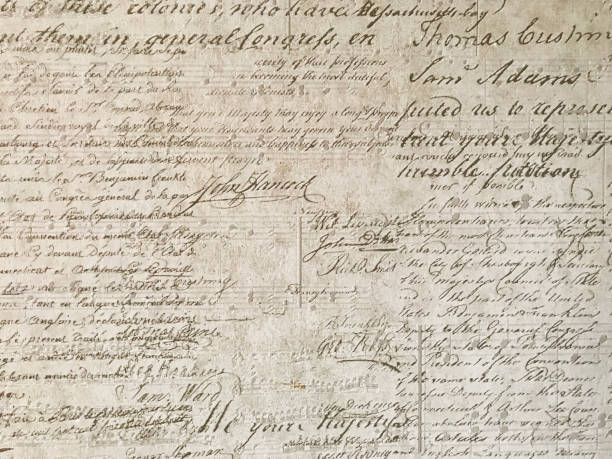
Not just any letter, but the very first love letter she had ever received. A memory from a time when life was simpler, when feelings were written by hand, and when words carried a weight that digital messages rarely do today. It belonged to a part of her life that had long passed, but never truly disappeared.
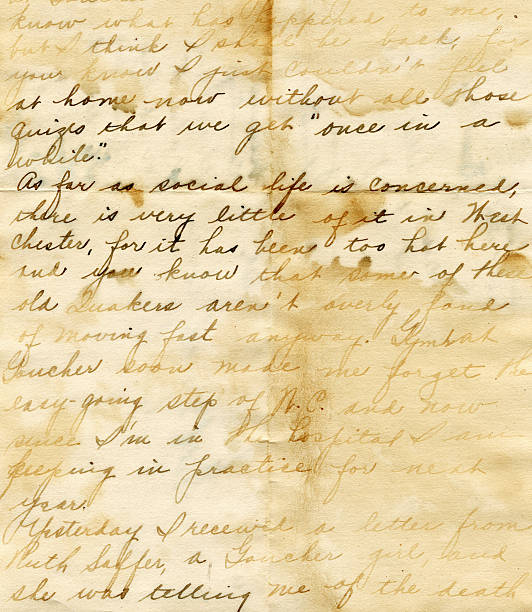
At first glance, the letter looked fragile. The paper had aged, turning a pale yellow, with edges that felt thin and delicate. It had been folded and unfolded many times in the past, leaving permanent marks across its surface. But the real problem became clear only when she carefully opened it.
The ink had faded.
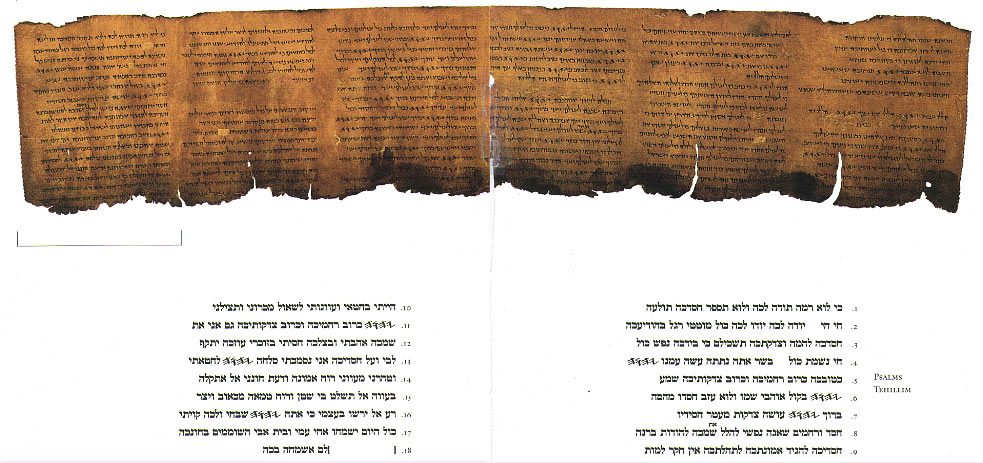
Not just slightly, but enough to make large portions of the letter almost impossible to read. Some lines were still visible, though faint. Others looked broken, with missing words that interrupted the flow of sentences. A few sections had disappeared completely, leaving empty spaces where something meaningful once existed.
She tried to read it anyway.
Slowly, she followed the lines with her eyes, pausing at every unclear word, trying to piece together the meaning. Sometimes she recognized a word or a phrase, and you could see a soft smile appear. But most of the time, she had to stop, because the letter would not fully reveal itself.
“I remember how I felt when I got this,” she said quietly. “But I can’t read what he wrote anymore.”
That was the moment it became clear. The memory was still alive, but the words that carried it were slowly being lost.
Time had not taken the letter away. It had taken the clarity, the meaning, the exact expression of something that once mattered deeply.
This situation is more common than we think. Physical documents do not last forever in perfect condition. Ink fades with exposure to light, paper weakens over time, and environmental factors like humidity and dust slowly damage what once seemed permanent. Even when we store things carefully, time finds its way in.
For documents like historical records, research materials, or personal letters, this creates a serious challenge. The document may still exist physically, but the information inside it becomes harder to access. It turns into something you can hold, but not fully understand.
Handwritten letters make this even more difficult. Unlike printed text, handwriting is unique, personal, and often complex. When it fades, it is not just about missing letters it is about losing a style, a tone, and a personal expression that cannot be easily replaced.
Looking at that letter, we realized that if nothing was done, it would eventually become unreadable. The memory would remain in her mind, but the actual words the real message would be gone.
So we decided to try something different.
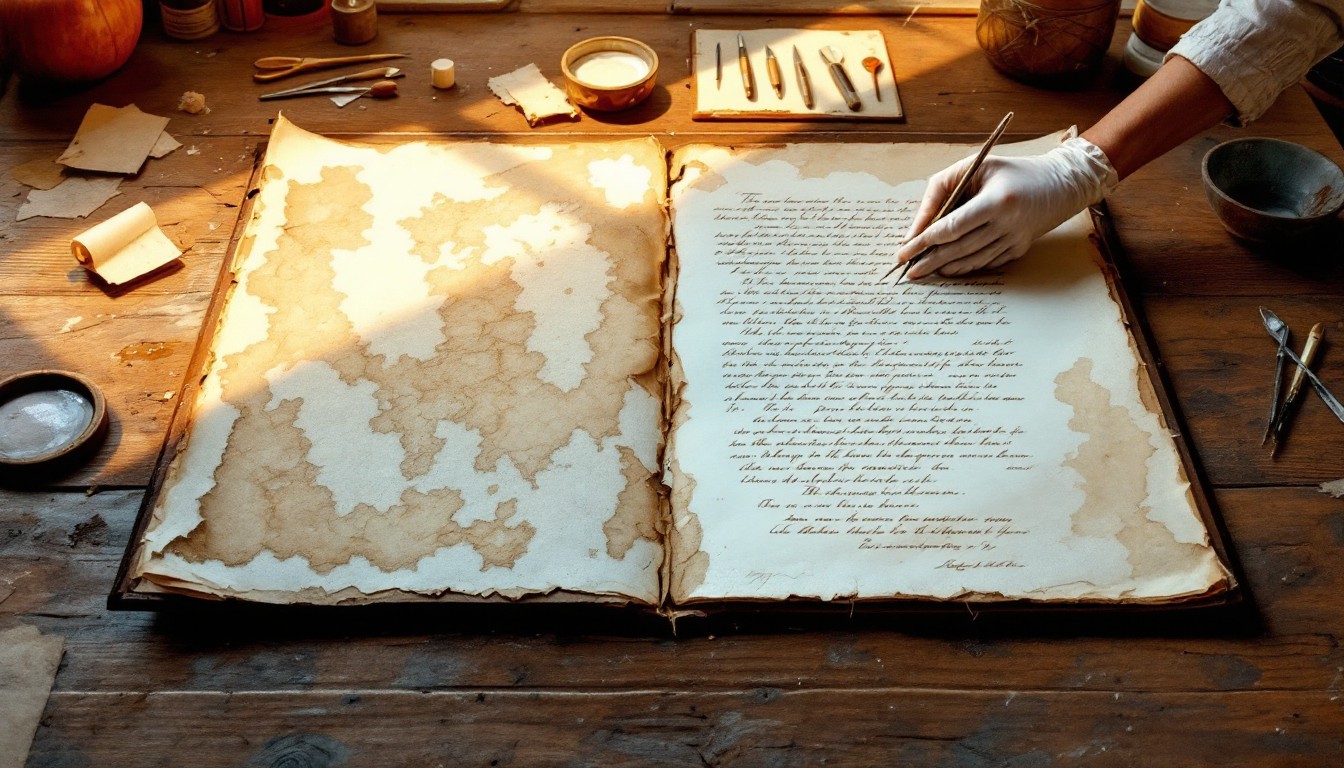
We carefully scanned the letter, making sure to capture every detail without causing further damage. Then we uploaded it to Scripily, a platform designed to restore and enhance old or degraded documents.
The idea was simple. Instead of trying to guess the missing words or manually enhance the image, we wanted to see if modern technology could help recover what time had taken away.
At first, there were no big expectations. Maybe it would improve the clarity a little. Maybe a few more words would become readable.
But the change was noticeable.
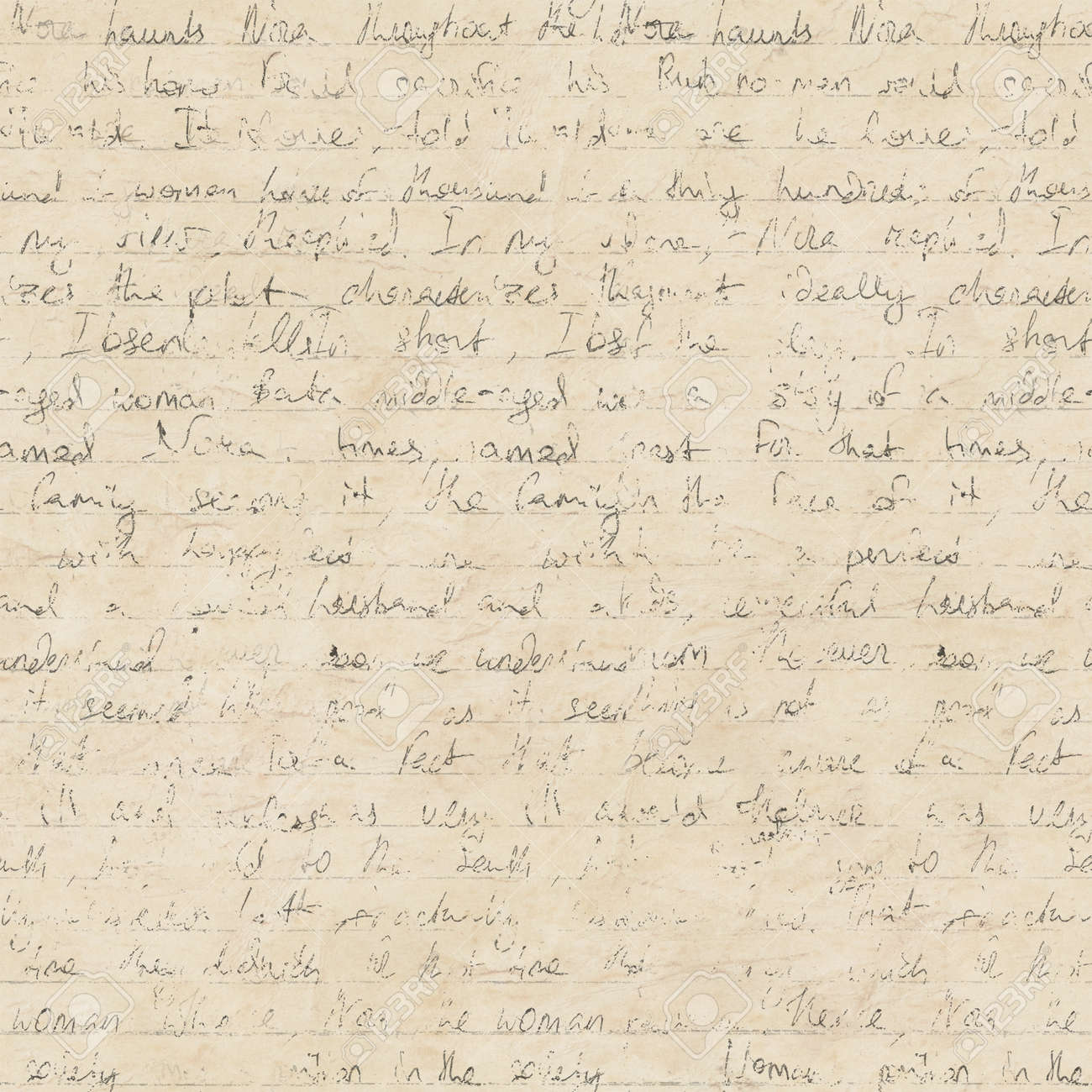
The faded ink began to stand out more clearly. Words that were once barely visible started to appear again with better contrast. The background noise stains, discoloration, and marks was reduced, making it easier to focus on the text itself. The broken lines began to reconnect, and sentences started to make sense again.
It wasn’t just about making the image sharper. It was about restoring structure, meaning, and readability.
My grandmother leaned closer to the screen, reading slowly, line by line.
For the first time in many years, she was not guessing. She was reading.
Properly.
The letter revealed itself again, almost exactly as it had been written decades ago. The emotions were still there, the words were still honest, and the message felt just as real as it must have been on the day it was first received.
There was something quiet but powerful about that moment. It wasn’t dramatic, but it was meaningful. A piece of the past that had been fading away was suddenly clear again.
Experiences like this show that document restoration is not just about improving image quality. It is about preserving information, meaning, and personal history. Old letters are not just documents; they are moments captured in time. They carry emotions, relationships, and stories that cannot be recreated.
When those documents fade, it is not just the paper that is affected. It is the connection to the past.
By using tools like Scripily, it becomes possible to protect those connections. It allows us to recover what is fading and preserve it in a form that can last much longer. Whether it is a personal memory, a historical archive, or an important handwritten record, restoration helps keep those stories accessible.
That letter is now no longer just a fragile piece of paper stored in a box. It is clear, readable, and safely preserved in digital form. It can be revisited, shared, and remembered without the fear of losing it again.
In a way, nothing new was created. The words were always there.
They just needed a way to be seen again.
If you have old documents, letters, or handwritten notes that have become difficult to read, it may be worth taking a closer look. Sometimes, what seems lost is still present, waiting for the right approach to bring it back.
Because preserving the past is not always about holding onto things as they are. Sometimes, it is about using the right tools to see them clearly again.